
What Darker Winter Mornings May Mean for Sleep, Mood and Energy
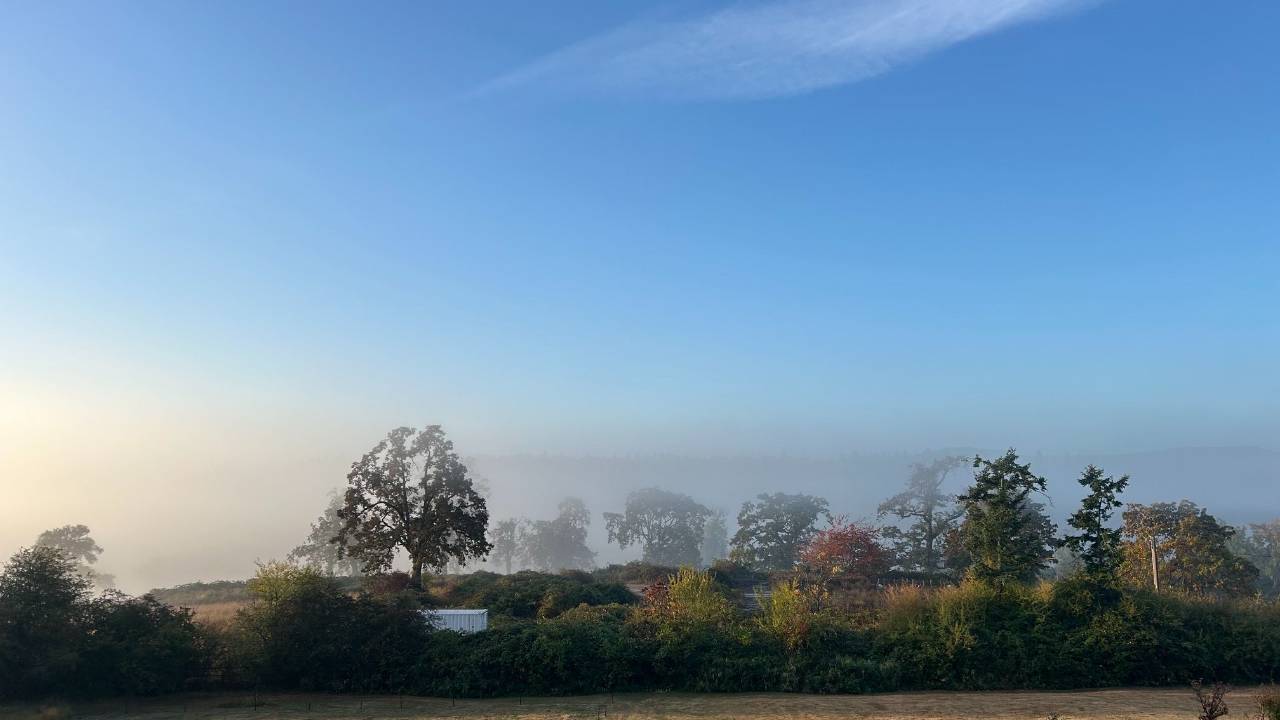
Sep 22, 2026I notice the changing light every year here on the farm. There is something beautiful about that seasonal shift, but I also know that, as we move deeper into fall and winter, the loss of morning light can be difficult.
I feel it in my own energy and often hear it from patients: getting out of bed becomes harder, motivation changes, sleep feels less restorative and mood begins to dip. For some, this is a welcome invitation to slow down with the season. For others, it feels harder.
This year, the transition may feel different. For the first time, most of British Columbia will remain on daylight time through the winter, bringing more evening light, but also much darker mornings.
Why the timing of light matters
Ending the twice-yearly clock change will reduce the short-term disruption many people experience each spring and fall. While permanent daylight time does not change the total amount of daylight, it does shift an hour of light from the morning to the evening according to the clock. Our internal clocks respond primarily to light and darkness. Bright morning light helps synchronize the circadian rhythm that influences sleep, mood, alertness, appetite, body temperature and hormone production. Darkness in the evening helps prepare the body for sleep.
Standard time is more closely aligned with this natural light–dark cycle, which is why sleep and circadian-health organizations generally recommend permanent standard time.
Here on southern Vancouver Island, sunrise will be close to 9:00 am around the winter solstice, about an hour later than it would be under standard time. Many people will be waking, commuting, beginning work or arriving at school well before meaningful outdoor light is available.
This may be particularly challenging for children and teenagers, shift workers, early risers, people who already struggle with sleep, and those who experience seasonal changes in mood and energy.
Northern latitude and seasonal depression
Living at a northern latitude already means shorter winter days, later sunrises and fewer opportunities for bright natural light.
A 2025 systematic review and meta-analysis involving 24 studies and more than 32,000 people found that both Seasonal Affective Disorder and its milder, subsyndromal form became more common with increasing latitude. Across the studies, approximately 5% of people experienced SAD and 9% experienced subsyndromal SAD.
Latitude is only part of the picture. Cloud cover, climate, time outdoors, daily routines and individual susceptibility also matter. Biologically, what may matter most is the length of the winter day and our actual exposure to light, particularly the strong morning signal that helps set our circadian clock.
Remaining on daylight time will not make our winter days any shorter, but it will make morning light available an hour later by the clock, at the time when many of us most need it.
When it may be more than a seasonal shift
It is normal to notice some change in energy as the days become shorter. We may feel drawn toward more sleep, quiet and a slower pace.
Seasonal Affective Disorder is different. It is a form of depression that follows a seasonal pattern, most commonly beginning in fall or winter and improving in spring.
Symptoms may include:
- Persistent low mood
- Loss of interest or enjoyment
- Fatigue and reduced motivation
- Difficulty concentrating
- Sleeping more or struggling to wake
- Increased appetite or carbohydrate cravings
- Social withdrawal
- Feelings of hopelessness
For people who experience SAD. or a milder but still meaningful decline in mood and functioning, bright-light therapy can be an effective treatment.
Using a SAD lamp
A commonly recommended approach is to:
- Choose a 10,000-lux, UV-filtered light box designed for SAD.
- Use it for approximately 30 minutes early in the morning, ideally within the first hour after waking.
- Keep your eyes open without staring directly into the light.
- Sit at the distance specified by the manufacturer; the lamp only delivers 10,000 lux within a particular range.
- Use it consistently through the darker months.
Some people notice improvement within several days, although it may take one to three weeks. More is not necessarily better: excessive exposure can cause headache, eye strain, nausea, restlessness or agitation, while using the lamp too late may interfere with sleep.
Speak with your healthcare provider before beginning light therapy if you have bipolar disorder, an eye condition or take medication that increases light sensitivity.
Supporting your circadian rhythm this winter
A light box can help, but it does not entirely replace natural light. When possible:
- Go outdoors after waking, even when it is cloudy.
- Open the curtains and bring natural light into your morning environment.
- Keep your waking time reasonably consistent.
- Dim household lighting in the evening.
- Reduce bright overhead light and screen exposure before bed.
- Continue moving your body and spending time outdoors.
It is normal for our energy to shift with the season, we do need more rest, warmth, nourishment and quiet at this time of year. But there is a difference between moving more slowly with the season and feeling as though you are disappearing inside it.
As we move through our first winter on permanent daylight time, I will be paying closer attention to morning light, both for myself, my family and in conversations with patients. A morning walk, opening the curtains as soon as we wake, maintaining a steady rhythm or using a therapeutic light box may become especially valuable.
SAD is not simply a dislike of winter or a failure to maintain a positive outlook. It is a form of depression, and effective support is available. If the darker months significantly affect your mood, daily functioning or sense of hope, please reach out to your healthcare provider.
Author


